Expert Emissions Systems Diagnosis & Repair
Modern diesel vehicles are equipped with complex emissions control systems like EGR (Exhaust Gas Recirculation), DPF (Diesel Particulate Filter), and AdBlue (SCR). While great for the environment, these systems are notoriously prone to clogging, sensor failures, and putting vehicles into "limp mode".
Modern diesel vehicles are equipped with complex emissions control systems like EGR (Exhaust Gas Recirculation), DPF (Diesel Particulate Filter), and AdBlue (SCR). While great for the environment, these systems are notoriously prone to clogging, sensor failures, and putting vehicles into "limp mode".
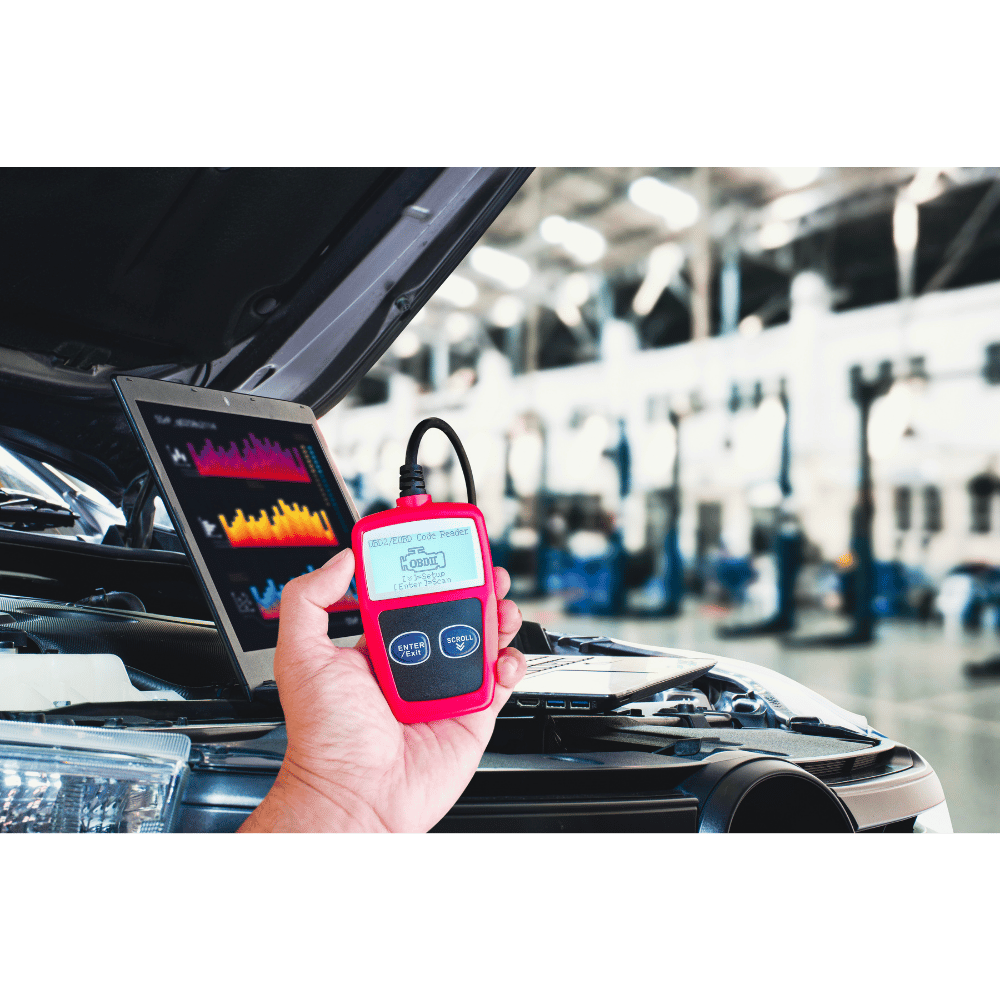
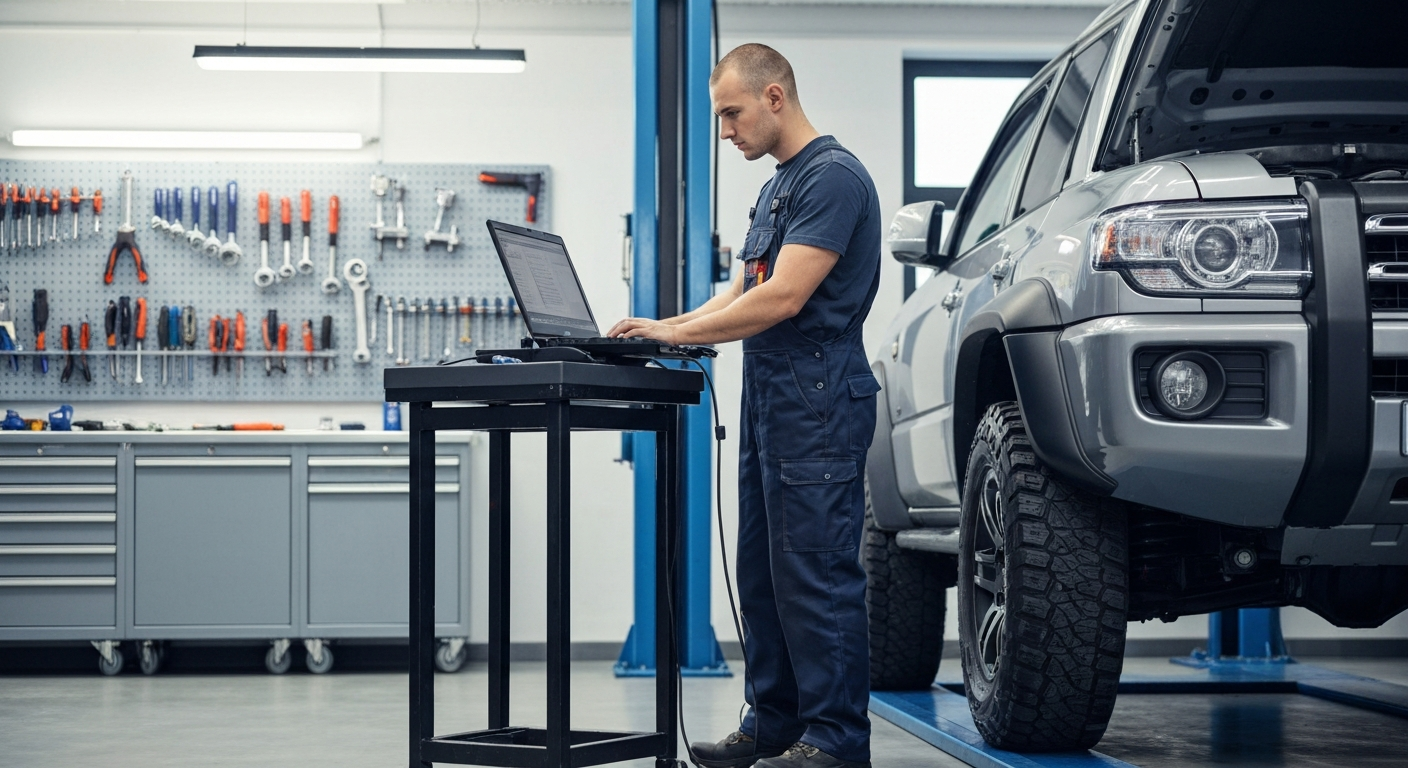
At Diesel Tune Wide Bay, we specialize in the advanced diagnosis and repair of these critical systems. We don't just clear the code and hope for the best. We use dealer-level diagnostic equipment to find the root cause of the failure—whether it's a cracked hose, a faulty pressure sensor, or a completely blocked filter.
Don't let a flashing DPF light ruin your trip or cost you thousands in unnecessary dealer replacements. Trust our 15 years remapping experience to get your vehicle out of limp mode and back on the road running cleanly and efficiently.
Why tune your emissions systems diagnosis & repair with us?
Accurate Diagnostics
Stop throwing expensive parts at the problem. We pinpoint the exact cause of the emissions fault.
DPF Unblocking
We offer professional forced regeneration and chemical cleaning to save blocked DPFs before they require replacement.
EGR Cleaning
We safely remove carbon buildup from your EGR valve and intake manifold to restore airflow and efficiency.
AdBlue System Repairs
Expert troubleshooting of complex SCR systems, NOX sensors, and AdBlue pump failures.
Preventative Maintenance
We can advise on driving habits and maintenance routines to prevent future emissions system failures.
What's included in our emissions systems diagnosis & repair installation
- Comprehensive scan tool diagnostics and live data analysis
- Physical inspection of hoses, sensors, and wiring
- Soot accumulation and differential pressure testing
- Professional cleaning or replacement of faulty components
- Post-repair forced regeneration and road testing
- Clearing of all related fault codes and limp modes
Our installation process
Fault Scanning
We connect our advanced diagnostic tools to read fault codes and analyze live sensor data.
Root Cause Analysis
We physically inspect the system to find out why the filter blocked or the valve failed.
Targeted Repair
We perform the necessary cleaning, sensor replacement, or system repair.
Verification
We run the vehicle through its paces to ensure the system is operating within factory specifications.
Why choose Diesel Tune Wide Bay for emissions systems diagnosis & repair?
We don't believe in rushed jobs or cutting corners. Our mobile service and workshop are fully equipped to handle complex engine and exhaust systems, ensuring your vehicle's reliability remains intact. We use only premium parts and tools for a perfect finish.
Vehicles we work on
Whether you drive a daily commuter sedan, a family SUV, a rugged 4WD, a trade ute, a commercial van, or a luxury performance car, our team has the expertise to integrate emissions systems diagnosis & repair seamlessly into your specific make and model.
Demystifying Modern Diesel Emissions Systems
The landscape of diesel engine technology has fundamentally shifted over the last two decades. Driven by increasingly stringent global environmental regulations, manufacturers have been forced to implement highly complex emissions control systems to reduce the output of harmful pollutants such as nitrogen oxides (NOx) and microscopic particulate matter (soot). While these systems are highly effective at cleaning up the exhaust tailpipe emissions, they introduce a significant layer of mechanical and electronic complexity to the vehicle. This complexity unfortunately translates into a higher likelihood of component failure, sensor malfunctions, and frustrating drivability issues for the owner.
The three primary pillars of modern diesel emissions control are the Exhaust Gas Recirculation (EGR) system, the Diesel Particulate Filter (DPF), and Selective Catalytic Reduction (SCR) systems, commonly known by the brand name AdBlue. These systems do not operate in isolation; they are intricately linked and constantly monitored by the Engine Control Unit (ECU). A failure in one component will often have a cascading effect, triggering faults in the others. For example, a sticking EGR valve can cause excessive soot production, which will rapidly prematurely block the DPF.
Understanding how these systems interact is crucial for effective diagnosis and repair. At Diesel Tune Wide Bay, our technicians undergo continuous training to stay ahead of the curve on the latest emissions technologies. We possess the deep, specialized knowledge required to navigate these complex networks, ensuring that we don't just treat the symptoms, but cure the underlying disease.
The Role and Challenges of the DPF (Diesel Particulate Filter)
The Diesel Particulate Filter (DPF) is essentially a highly advanced soot trap located within the exhaust system. As exhaust gases pass through the microscopic honeycomb structure of the filter, harmful particulate matter is captured and stored. However, the DPF has a finite capacity. Once it becomes full of soot, it must undergo a process called 'regeneration' to clean itself. During a passive regeneration, the vehicle relies on high highway speeds to generate enough exhaust heat to naturally burn the soot into a fine ash. If the vehicle is primarily used for short, stop-start city driving, the exhaust never gets hot enough, and the ECU must initiate an 'active regeneration' by injecting extra fuel into the exhaust stroke to artificially raise temperatures.
The primary challenge with DPF systems arises when these regeneration cycles are constantly interrupted or fail to initiate. This is incredibly common for vehicles used for short commutes or school runs. When the filter becomes excessively blocked, it creates massive backpressure against the engine, choking performance and eventually forcing the vehicle into a restrictive 'limp mode'. Furthermore, DPF blockages are frequently a symptom of another underlying engine issue, such as a leaking fuel injector, a split intercooler hose, or a faulty differential pressure sensor.
At Diesel Tune Wide Bay, we do not immediately resort to replacing a blocked DPF, which can cost several thousand dollars. We utilize advanced diagnostic tools to perform forced, stationary regenerations and employ specialized chemical cleaning processes to break down stubborn soot and ash deposits, often saving the filter. Crucially, we meticulously investigate the root cause of the excessive soot production to ensure the filter does not simply block up again a few weeks later.
Understanding the EGR (Exhaust Gas Recirculation) System
The Exhaust Gas Recirculation (EGR) system is designed to reduce the formation of nitrogen oxides (NOx), which are created when combustion temperatures are extremely high. The EGR valve achieves this by taking a portion of the inert, oxygen-depleted exhaust gases and routing them back into the engine's intake manifold. By introducing these exhaust gases into the combustion chamber, the overall combustion temperature is lowered, thereby reducing NOx emissions.
While effective for emissions control, the EGR system is arguably the most problematic component for long-term diesel reliability. The exhaust gases being recirculated are laden with sticky soot. When this soot mixes with the oil vapor naturally present in the intake tract (from the crankcase ventilation system), it forms a thick, tar-like carbon sludge. Over tens of thousands of kilometers, this sludge coats the inside of the EGR valve, the intake manifold, and the intake valves.
This carbon buildup acts like a blocked artery, severely restricting the flow of clean air into the engine. Symptoms include a noticeable loss of power, terrible fuel economy, rough idling, excessive black smoke, and eventually, total failure of the EGR valve mechanism. Our workshop specializes in the physical removal and deep ultrasonic cleaning of heavily carboned intake manifolds and EGR valves, restoring your engine's ability to breathe properly and returning lost performance and efficiency.
AdBlue and SCR Systems Explained
Selective Catalytic Reduction (SCR) systems, commonly utilizing a diesel exhaust fluid known as AdBlue, represent the latest generation of heavy-duty emissions control. AdBlue is a highly pure aqueous urea solution that is injected in precise amounts directly into the hot exhaust stream, upstream of a specialized SCR catalyst. When the AdBlue hits the hot exhaust, it vaporizes and decomposes into ammonia and carbon dioxide. The ammonia then reacts with the harmful NOx gases within the SCR catalyst, converting them into harmless nitrogen gas and water vapor.
While SCR systems are incredibly efficient at reducing NOx, they are highly complex and notoriously fragile. The system relies on a network of dedicated AdBlue pumps, heaters (to prevent the fluid from freezing), complex dosing modules, and highly sensitive NOx sensors located before and after the catalyst. If the system detects a fault, runs out of fluid, or detects poor quality AdBlue, the ECU will initiate a countdown timer. Once this timer expires, the vehicle will be immobilized and refuse to start until the system is repaired and reset by a professional.
Diagnosing AdBlue faults requires highly specialized, dealer-level diagnostic equipment. A generic code reader is useless when dealing with complex SCR communication errors or crystallized dosing valves. The team at Diesel Tune Wide Bay has the technology and the expertise to accurately pinpoint AdBlue system failures, whether it involves replacing a faulty NOx sensor, cleaning a crystallized injector, or reprogramming the SCR control module.
The Dangers of Ignoring Limp Mode and Warning Lights
Modern diesel vehicles are designed to protect themselves. When the ECU detects a critical fault within the emissions system, it will illuminate the Check Engine Light (CEL) or DPF warning light on the dashboard. If the fault is severe, or if a DPF blockage reaches a critical threshold, the ECU will activate 'Limp Home Mode'. Limp mode drastically cuts engine power, limits the maximum RPM, and often disables the turbocharger. It is designed to allow you to slowly and safely drive the vehicle to a workshop while preventing catastrophic damage to the engine or the emissions components.
Ignoring these warning lights or continually attempting to drive a vehicle in limp mode is incredibly dangerous and financially reckless. Continuing to drive with a severely blocked DPF can cause exhaust gas temperatures to reach melting point, potentially causing a vehicle fire or completely destroying the turbocharger due to excessive backpressure. Similarly, ignoring an AdBlue warning will eventually result in the vehicle refusing to start entirely, leaving you stranded.
If your vehicle enters limp mode, it is imperative that you seek professional diagnosis immediately. Do not rely on cheap, generic code readers to simply clear the faults. Clearing a code does not fix the physical problem; it only masks the symptom temporarily until the ECU detects the fault again. At Diesel Tune Wide Bay, we prioritize accurate, root-cause diagnosis to get your vehicle out of limp mode permanently and safely.
Professional Diagnostics vs. Expensive Guesswork
The biggest mistake made by inexperienced mechanics when dealing with diesel emissions systems is 'parts cannon' diagnostics. This is the practice of simply reading a fault code and immediately replacing the component associated with that code, without investigating why the code was triggered in the first place. For example, a fault code for a DPF pressure sensor might lead a mechanic to replace the sensor. However, the true cause of the code might be a split rubber hose leading to the sensor, or a wiring loom that has rubbed through against the chassis.
Replacing expensive components based on guesswork is a surefire way to waste thousands of dollars without actually fixing the vehicle. Emissions components, particularly DPFs and NOx sensors, are some of the most expensive parts on a modern vehicle. At Diesel Tune Wide Bay, we refuse to operate this way. We invest heavily in the latest diagnostic oscilloscopes, smoke machines, and bi-directional scan tools.
We follow a rigorous, logical diagnostic process. We analyze live data streams to observe how sensors are reacting in real-time. We perform physical tests, such as pressure testing the intake tract for boost leaks or measuring the electrical resistance of wiring harnesses. We prove that a component has failed before we recommend replacing it. This commitment to accurate, professional diagnostics saves our customers time, money, and immense frustration, ensuring that their vehicles are repaired correctly the very first time.
Frequently Asked Questions
Related Services
Why Wide Bay drivers choose Diesel Tune:
- 15 Years Remapping Experience
- Premium Parts and Equipment Only
- Mobile Service and Workshop
- 15% Referral Discount
- Honest Quotes, No Hidden Fees
Ready to upgrade your vehicle?
Get a free, no-obligation quote from Diesel Tune Wide Bay today. Premium upgrades, 15 years remapping experience, and a 15% referral discount when you bring a friend or family member.